
A quiet encounter in the Hague
Walking into the exhibition Portraits of America at the Fotomuseum Den Haag, I expected to see strong portrait photography. What I did not expect was to feel completely disarmed.
Judith Joy Ross does not photograph people in the way we often understand portraiture today. Her images do not shout. They whisper. Yet somehow, those whispers stay with you long after you leave the museum.
The exhibition presents more than 150 vintage prints from the archive of Judith Joy Ross, spanning nearly fifty years of work. Her portraits, rendered in delicate black and white tones, reveal something profoundly human. The soft gradations, subtle depth of field, and emotional gravity of the images seem almost suspended in time. Looking at them felt less like viewing photographs and more like standing in the presence of people who had entrusted part of themselves to the camera.
And somehow, unexpectedly, they touched something deeply personal in me.
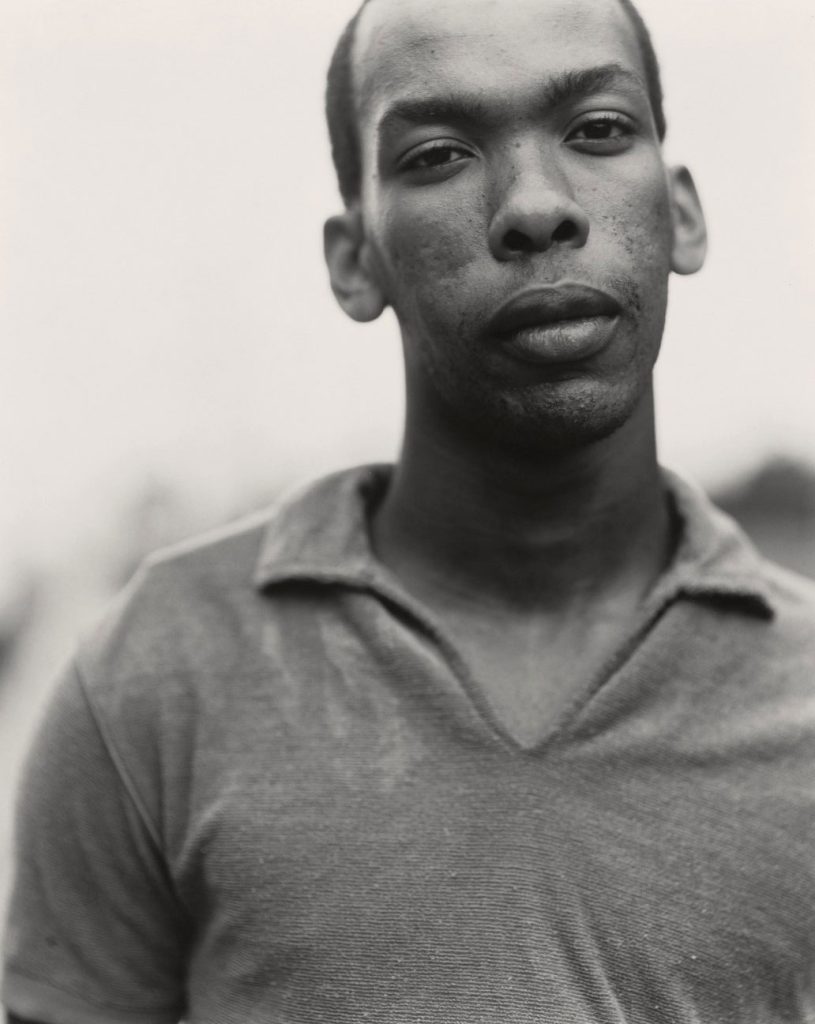
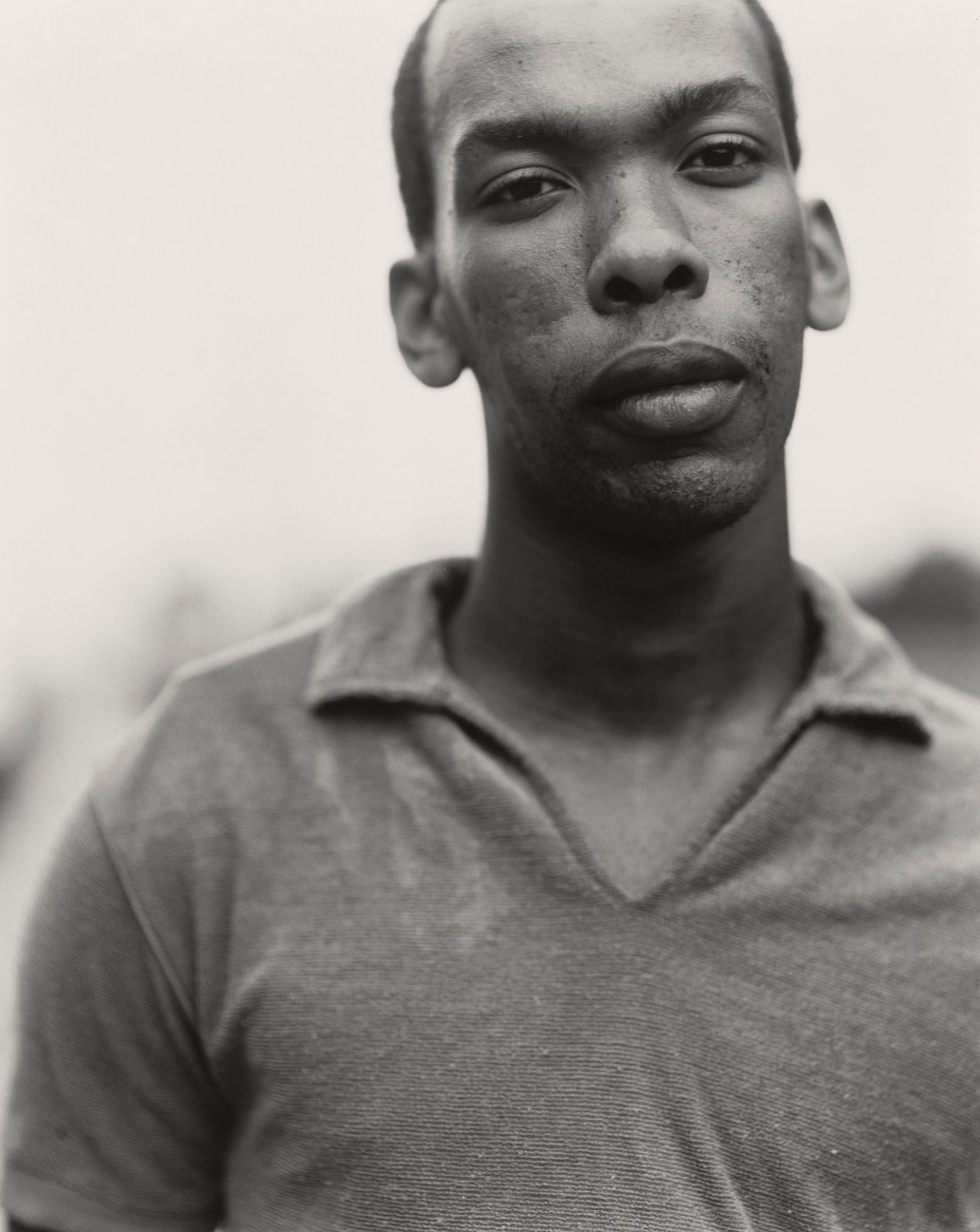
The weight of an honest gaze
Ross photographs strangers. Workers, children, grieving visitors, teenagers in swimwear, ordinary people encountered in parks or public spaces throughout Pennsylvania, where she was born and raised. Yet the word stranger feels misplaced. In her work, social status dissolves. Age, class, appearance, and circumstance quietly fade into the background.
What remains is vulnerability.
Standing in front of her portraits, I noticed how often people look directly at the lens. Not performatively, not defensively, but with a kind of hesitant honesty. There is discomfort at times, tenderness at others. A feeling that something unspoken exists between photographer and subject.
Ross herself once described portraiture as a collaboration: “We both together make the photograph.” That sentence lingered in my mind while walking through the exhibition.
You can feel it in every frame.
These are not stolen moments. They are shared moments.
Why it felt familiar
As a photographer, I found myself thinking less about technical perfection and more about emotional truth. Ross reminded me of something I had almost forgotten.
Photography, for me, began with connection.
There is something in her work that resonates deeply with my own youth. Growing up, life often felt slower, more observant, more tactile. Conversations lasted longer. Encounters mattered. People looked at one another differently. There was patience in simply being present.
Judith Joy Ross photographs with that same patience.
Her portraits triggered memories I could not immediately name. The feeling of sitting quietly and observing people without distraction. The atmosphere of ordinary moments that somehow carried emotional weight. The human stories hidden behind faces.
Her work reminded me that meaningful photography does not begin with the camera. It begins with curiosity, empathy, and the willingness to truly see another person.
Perhaps that is why I felt so moved.
Her images stirred something familiar, almost like opening an old drawer filled with forgotten fragments of memory.
The difference between then and now
Ross works with an 8×10-inch large format camera, a method that demands patience and intention. Every sheet of film matters. Every portrait requires trust. There is no endless stream of exposures, no immediate playback, no digital reassurance.
Just time.
In today’s digital photography culture, speed often dominates the process. Thousands of images are made in minutes. Perfection can be corrected afterward. We photograph quickly because technology allows us to.
But sometimes I wonder what gets lost in that speed.
Digital photography offers extraordinary possibilities. I use it myself, every day. It has democratized image-making and opened creative doors that previous generations could hardly imagine.
Yet standing in front of Ross’s prints, I became aware of something analogue photography forces upon the photographer: commitment.
Her portraits carry the feeling of slowness. Not in a nostalgic way, but in a deeply intentional one. The camera becomes an instrument of encounter rather than production.
Even her printing process reflects this philosophy. Much of Ross’s work is printed on daylight paper using a delicate nineteenth-century silver gelatin process exposed under strong UV light. The result is subtle tonal richness that eventually settles into soft, nearly golden black-and-white hues.
You do not merely look at these prints.
You experience them.
Photography as a human meeting
Leaving the museum, I realised that what affected me most was not only Ross’s extraordinary craftsmanship, but her humanity.
Judith Joy Ross approaches photography as a meeting between two people. A brief, wordless exchange that becomes permanent through the image. Her portraits are filled with courage, sorrow, innocence, uncertainty, resilience, and dignity.
In a world increasingly dominated by speed, algorithms, and polished surfaces, her work feels quietly rebellious.
It reminded me why I first picked up a camera.
Not to capture perfection, but to recognise something true in another human being.
And perhaps, sometimes, something true in myself.
Leave a Reply
You must be logged in to post a comment.