
Cities are orchestras without conductors. Traffic lights blink like impatient metronomes, pigeons erupt in soft explosions, strangers pass each other carrying entire universes behind their eyes. Street photographers slip through this symphony like quiet composers, harvesting fractions of seconds and pinning them to paper. Some of them changed not only photography, but the way we understand modern life. Here are a few of the most influential, and why each one hit the nerve of their era so precisely.
Henri Cartier-Bresson
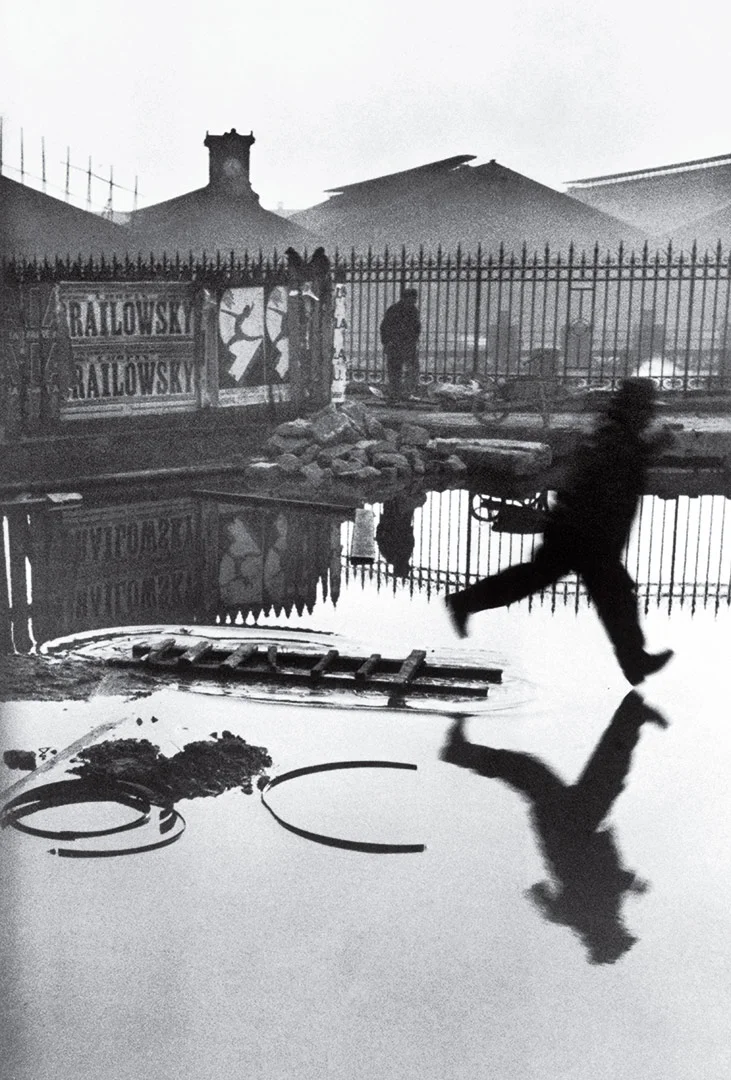
Henri Cartier-Bresson turned the fleeting into philosophy. He coined the idea of “the decisive moment,” that razor-thin slice of time when form and meaning lock together like planets in alignment. His Europe between the wars was restless, brittle, on the edge of reinvention. With a small Leica camera, he moved lightly, almost invisibly, capturing workers, lovers, children mid-leap.
Why did he resonate so deeply then? Because the early twentieth century was obsessed with speed and modernity. Trains, factories, revolutions. Cartier-Bresson offered order within chaos. His compositions felt almost classical, as if Renaissance geometry had wandered into a Parisian alley. In a time of upheaval, he suggested that even disorder had structure.
Vivian Maier
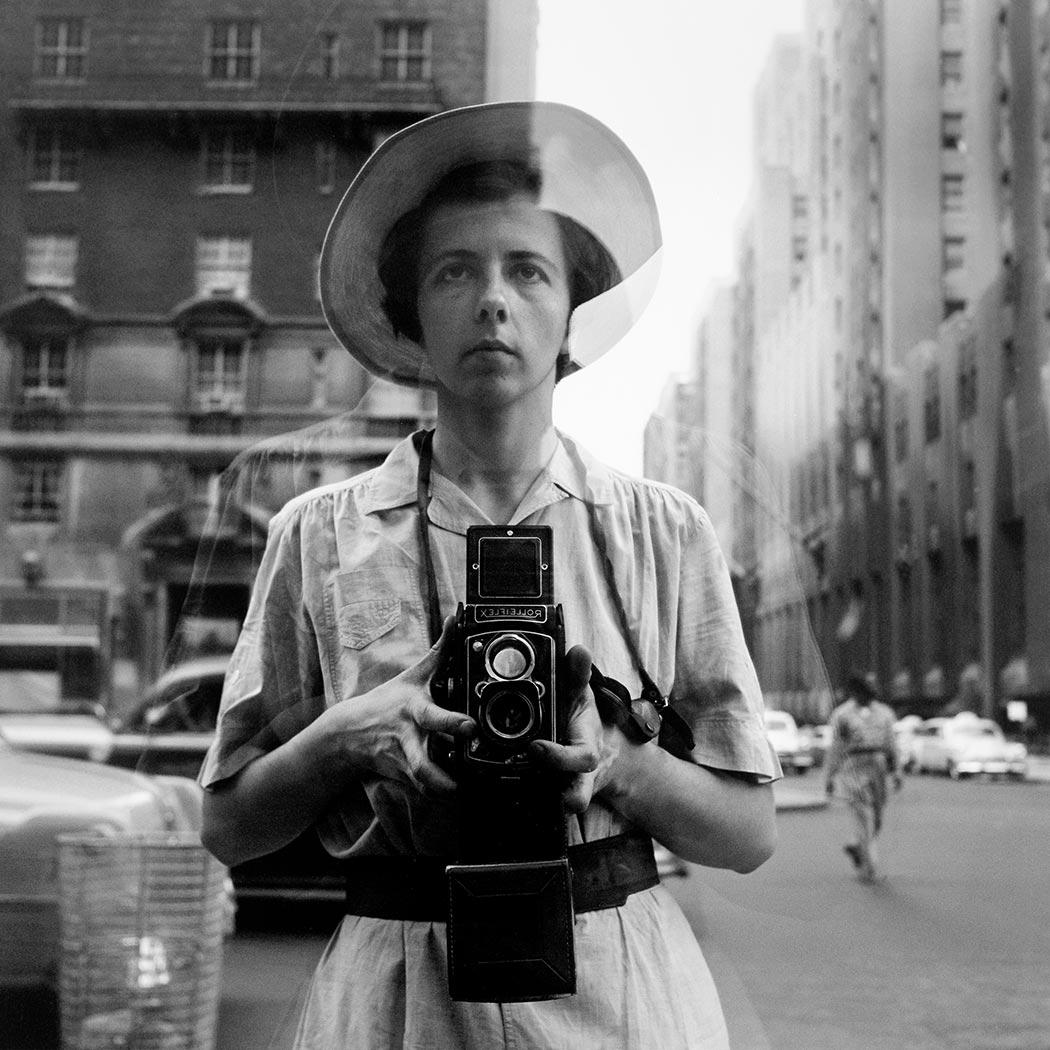
Vivian Maier was a nanny with a secret universe in her boxes of negatives. Her work, discovered only after her death, feels like a time capsule with a pulse. Chicago in the 1950s and 60s appears in her images as both tender and unsparing. Children stare back with defiance. Wealth and poverty brush shoulders on the same sidewalk.
Maier’s power lies partly in hindsight. In an age when we now document everything, her hidden archive feels almost mythical. She photographed without audience, without algorithm. That purity resonates in our era of curated feeds. She reminds us that art can exist without applause, and that the unnoticed observer sometimes sees most clearly.
Garry Winogrand

Garry Winogrand photographed America as if it were perpetually mid-sentence. His frames tilt, people collide, gestures overlap. The 1960s and 70s in the United States were noisy, conflicted, electric. Civil rights marches, consumer culture, gender politics shifting in real time.
Winogrand did not tidy this turbulence. He amplified it. His wide-angle lens pulled viewers into the scrum. The messiness felt honest. In a society questioning itself, his photographs refused to deliver clean answers. They felt like the country itself, improvisational and slightly off-balance.
Daido Moriyama

Daido Moriyama embraced grain, blur and darkness. His Tokyo is not a postcard. It is asphalt after rain, neon bleeding into night, stray dogs and anonymous faces. Emerging from postwar Japan and the radical art movement around Provoke magazine, Moriyama rejected polished realism.
The time demanded rupture. Japan was rebuilding, westernizing, wrestling with identity. Moriyama’s rough aesthetic mirrored that friction. His images feel like they were scraped from the pavement rather than carefully composed. In doing so, he expanded what street photography could look like. Beauty did not need to be clean. It could be raw, almost abrasive, like a guitar feedback loop translated into silver halide.
Martin Parr
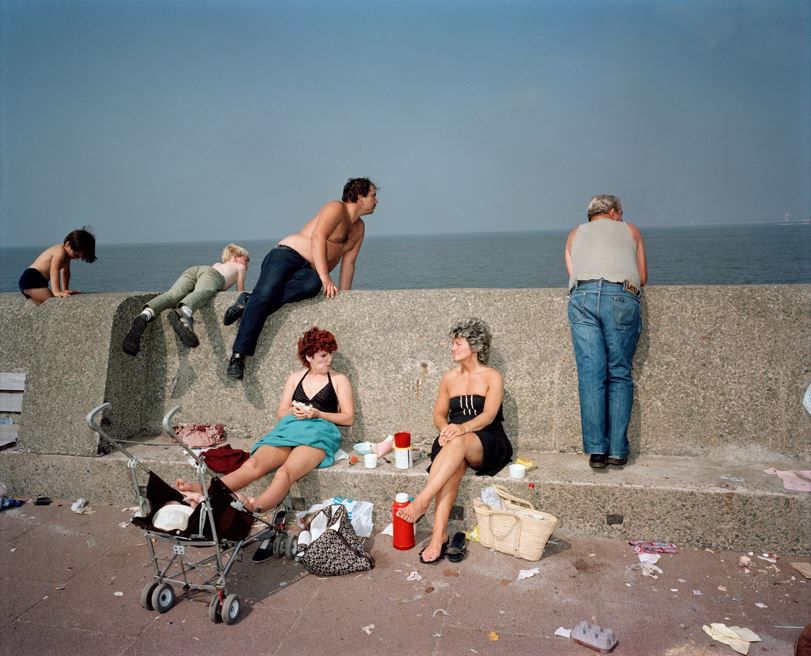
Martin Parr swapped poetic black and white for saturated color and unapologetic flash. British beaches, supermarket aisles, tourists clutching ice creams that melt faster than dignity. His work often feels humorous at first glance, then slightly uncomfortable.
Parr rose during the late twentieth century consumer boom. Global travel became accessible, consumption became identity. His hyper-real colors mimic advertising, yet expose its absurdity. He is both participant and critic, holding up a mirror that magnifies our habits. In an era drunk on choice, Parr photographed the hangover.
Each of these photographers tuned their cameras to the frequency of their time. Cartier-Bresson sought harmony in modern acceleration. Maier preserved the overlooked humanity of mid-century streets. Winogrand wrestled with democratic chaos. Moriyama carved identity out of postwar shadows. Parr dissected consumer spectacle with fluorescent precision.
Street photography thrives because cities never stop reinventing themselves. The genre is less about sidewalks and more about temperature. Social temperature. Emotional climate. The best practitioners sense when the air changes. They lift the camera at precisely the moment when history flickers across an ordinary face.
And that is why they matter. They did not merely document their worlds. They distilled them. Like alchemists with film, they turned passing seconds into cultural memory.